
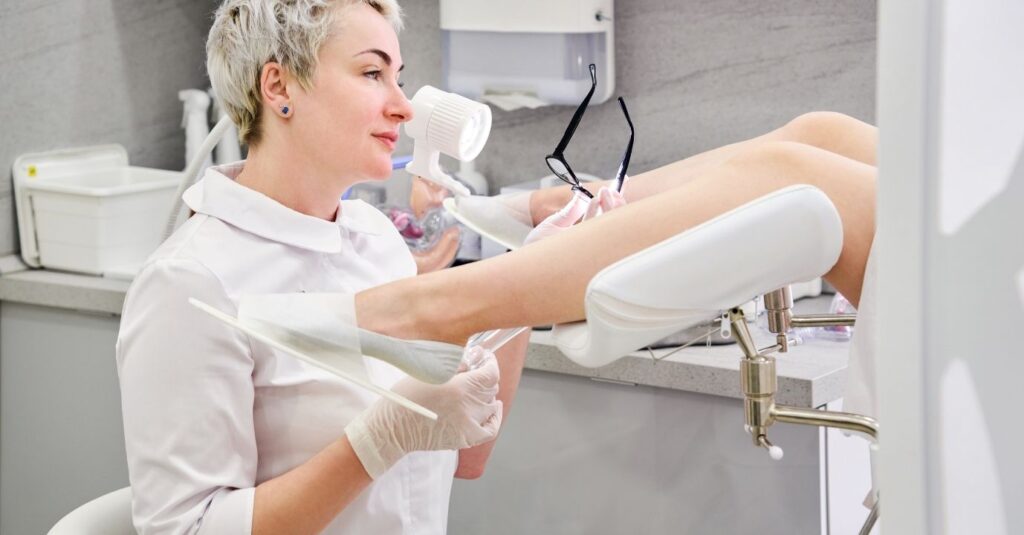
Before diving into treatments, let’s briefly revisit what a vaginal yeast infection is. Understanding the enemy is the first step in winning the battle for your comfort.
What is a Yeast Infection?
A vaginal yeast infection is a common fungal infection that causes irritation, inflammation, and discomfort of the vagina and the vulva (the external genital area). It’s primarily caused by an overgrowth of a specific type of fungus called Candida, with Candida albicans being responsible for about 90% of cases. While Candida fungi naturally live in small numbers in the vagina, mouth, digestive tract, and on the skin, an imbalance in your body’s natural flora can allow Candida to multiply excessively, leading to an infection.
Common Symptoms of a Yeast Infection:
Recognizing the typical signs is crucial for early intervention. Key symptoms include:
- Intense itching of the vagina and vulva. This is often the most prominent and bothersome symptom.
- Burning sensation, which may worsen during urination or sexual intercourse.
- Redness and swelling of the vulva and vaginal lips.
- Vaginal pain or soreness, especially with pressure or touch.
- Thick, white, and often odorless vaginal discharge that frequently resembles cottage cheese or curdled milk.
- Less commonly, watery vaginal discharge.
- A rash or skin irritation around the affected area.
It’s vital to remember that these symptoms can overlap with other vaginal conditions, such as bacterial vaginosis (BV) or sexually transmitted infections (STIs). This symptom overlap underscores why accurate diagnosis by a healthcare professional is paramount before relying solely on any treatment, natural or conventional.
Why the Allure of Natural Remedies? A Look at Women’s Choices
The internet is awash with anecdotal evidence and testimonials praising various natural remedies for yeast infections. This surge in interest isn’t surprising. Many women are actively seeking alternative approaches, driven by a combination of factors.
Reasons Women Explore Natural Solutions:
- Perceived “Gentleness” and Safety: There’s a widespread belief that “natural” inherently means safer and free of side effects compared to pharmaceutical drugs.
- Avoidance of Prescription Medications: Some women are wary of antibiotics or oral antifungals due to concerns about side effects (like digestive upset) or the development of drug resistance.
- Cost and Accessibility: OTC and natural remedies are often less expensive and easier to obtain than a doctor’s visit and prescription.
- Privacy and Convenience: The desire to treat a personal and sometimes embarrassing condition discreetly, without needing an appointment.
- Holistic Health Philosophy: A growing number of women prefer holistic approaches, seeking to address underlying imbalances rather than just symptoms.
- Dissatisfaction with Conventional Treatments: For women experiencing recurrent infections, past failures with conventional medicine might lead them to explore every available avenue.
While these motivations are understandable, it’s critical to approach natural remedies with a discerning eye, evaluating each based on scientific evidence, not just popular opinion.
Fact or Fiction? Deconstructing Popular Natural Remedies for Yeast Infections
Let’s dissect the most commonly discussed natural remedies and assess what the science, or lack thereof, tells us about their effectiveness.
1. Probiotics (Especially Lactobacillus)
The Claim: Probiotics, particularly those containing Lactobacillus strains, can treat or prevent yeast infections by restoring the healthy balance of vaginal flora.
The Science (Fact with Nuance): This is one of the most promising areas in natural remedies for vaginal health.
- How They Work: Lactobacillus bacteria produce lactic acid, which helps maintain the vagina’s naturally acidic pH (3.8-4.5). This acidic environment is hostile to Candida and other harmful bacteria.
- Evidence for Prevention: Numerous studies suggest that specific Lactobacillus strains, like Lactobacillus rhamnosus GR-1 and Lactobacillus reuteri RC-14, may help prevent recurrent yeast infections when taken orally or vaginally. They can colonize the vagina and compete with Candida.
- Evidence for Treatment: While probiotics support a healthy environment, they are generally not considered a standalone cure for an active, symptomatic yeast infection. They may help reduce symptoms when used alongside conventional antifungal treatment, but more robust evidence is needed for their curative effects alone.
- Usage: Available as oral supplements (daily intake) or vaginal suppositories. Look for products with high colony-forming units (CFUs) and specific strains like those mentioned above.
- Risks: Generally considered safe. Side effects are rare but can include mild digestive upset. Ensure products are reputable and free from contaminants.
Verdict: FACT (for prevention and complementary support). Probiotics are valuable for maintaining vaginal health and potentially reducing recurrence, but don’t rely on them as your sole treatment for an acute infection.
2. Boric Acid Vaginal Suppositories
The Claim: Boric acid, a natural chemical compound, can effectively treat yeast infections, especially recurrent or resistant ones.
The Science (Fact with Caution): Boric acid has strong antifungal and antiseptic properties and is particularly effective against Candida species that are resistant to common azole antifungal medications (like fluconazole), such as Candida glabrata.
- How They Work: Boric acid creates an environment that inhibits fungal growth and helps restore the vaginal pH.
- Evidence for Treatment: Several studies support boric acid’s effectiveness, especially for recurrent or non-albicans yeast infections, with success rates reported between 70% to 90%. It’s often prescribed by doctors for these specific cases.
- Usage: It’s used as a vaginal suppository, usually compounded by a pharmacy, inserted once nightly for 14 days, or sometimes for longer maintenance regimens for recurrent cases.
- Risks: CRITICAL CAUTION: Boric acid is toxic if ingested orally. It should NEVER be swallowed. It can cause local irritation, vaginal burning, or watery discharge. It is not safe for pregnant women as it can cause birth defects. Use only under medical supervision.
Verdict: FACT (for specific, doctor-prescribed cases of resistant or recurrent infections). Highly effective but requires strict medical guidance due to toxicity if misused.
3. Tea Tree Oil (Melaleuca alternifolia)
The Claim: Tea tree oil, with its natural antifungal properties, can treat yeast infections.
The Science (Fiction for Self-Treatment/Fact for Research): Tea tree oil does possess antifungal properties in laboratory settings.
- Evidence for Treatment: While lab studies show antifungal activity against Candida, there’s limited high-quality clinical evidence to support its effectiveness as a standalone treatment for vaginal yeast infections in humans.
- Usage: It should never be applied undiluted to sensitive vaginal tissues due to its high potency and potential for severe irritation or chemical burns. It’s sometimes found in diluted vaginal suppositories or creams, but these are rare and typically require professional formulation.
- Risks: Undiluted tea tree oil is highly irritating and can cause severe burning, swelling, and allergic reactions. Even diluted forms can cause sensitivity in some individuals.
Verdict: FICTION (for general self-treatment). Potentially harmful if misused. Its use in vaginal health requires specialized, diluted formulations and medical supervision.
4. Coconut Oil (Cocos nucifera)
The Claim: Coconut oil, particularly virgin coconut oil, has antifungal properties that can cure yeast infections.
The Science (Limited Fact, More Fiction as a Cure):
- How It Works: Coconut oil contains caprylic acid, which has shown some antifungal activity against Candida in laboratory and animal studies.
- Evidence for Treatment: While it might have mild antifungal properties, there’s very limited strong human clinical trial evidence to support its effectiveness as a standalone cure for an active vaginal yeast infection.
- Usage: Some women apply it topically to the vulva or insert it vaginally. It’s primarily used for its moisturizing and soothing properties.
- Risks: Generally safe for topical use, but some individuals might experience allergic reactions. It can also degrade latex condoms, increasing the risk of pregnancy or STI transmission. Its efficacy as a primary treatment is questionable.
Verdict: FICTION (as a standalone cure). May provide mild soothing but lacks robust evidence for treating an active infection.
5. Garlic (Allium sativum)
The Claim: Inserting a clove of raw garlic into the vagina or consuming large amounts of garlic can cure a yeast infection.
The Science (Dangerous Fiction):
- Evidence for Treatment: Despite its common mention in anecdotal remedies, there is absolutely no scientific evidence from human clinical trials to support the use of garlic, either inserted vaginally or consumed orally, as an effective treatment for yeast infections.
- Risks: Inserting raw garlic into the vagina is highly dangerous. Garlic contains allicin, a potent compound that can cause severe chemical burns, irritation, blisters, and even bacterial infections in the sensitive vaginal tissue. It can also get lodged in the vagina, requiring medical removal. Consuming large amounts orally may cause digestive upset but won’t cure a localized vaginal infection.
Verdict: DANGEROUS FICTION. Avoid at all costs for vaginal use.
6. Apple Cider Vinegar (ACV)
The Claim: Apple cider vinegar, due to its acidic nature, can restore vaginal pH and kill Candida.
The Science (Mostly Fiction, Some Risk):
- How They Work (Claim): Proponents suggest ACV’s acidity helps restore vaginal pH and its antimicrobial properties fight yeast.
- Evidence for Treatment: There is no scientific evidence from human clinical trials that apple cider vinegar, whether used as a douche, bath additive, or topical application, effectively treats vaginal yeast infections.
- Risks: Douching with ACV (or anything) is highly discouraged as it disrupts the natural vaginal flora and pH, potentially worsening the infection or leading to other issues like bacterial vaginosis or pelvic inflammatory disease (PID). Even diluted use can cause significant irritation, burning, and dryness, especially on already inflamed tissue.
Verdict: FICTION & HARMFUL (if douched). Avoid using ACV directly in or around the vagina for yeast infections.
7. Dietary Changes (Sugar Reduction, Fermented Foods)
The Claim: A diet high in sugar fuels yeast growth, so reducing sugar and eating fermented foods can prevent or treat yeast infections.
The Science (Fact for Prevention/Support, Fiction for Sole Cure):
- How They Work: Candida feeds on sugar. A diet high in refined sugars and carbohydrates can theoretically promote fungal overgrowth. Conversely, fermented foods rich in beneficial bacteria (like yogurt with live active cultures, kefir) can support a healthy microbiome.
- Evidence for Prevention/Support: While a direct causal link between dietary sugar and yeast infections is complex and individual, anecdotal evidence and general health principles suggest that a balanced diet low in excessive sugar may help prevent recurrence, especially for individuals prone to infections or with uncontrolled diabetes. Probiotic-rich fermented foods are beneficial for gut health, which is linked to vaginal health.
- Evidence for Treatment: Dietary changes alone are not a cure for an active yeast infection. They are a supportive measure for prevention and overall well-being.
Verdict: FACT (for prevention and overall health support). Not a standalone treatment for active infections.
The Dangers of “Just Trying It”: When Natural Remedies Can Harm
The appeal of natural remedies can be strong, but the consequences of misusing them or relying on unproven methods can range from prolonged discomfort to serious health complications.
1. Delaying Effective Treatment
The biggest risk of relying solely on unproven natural remedies is that you delay getting the correct diagnosis and effective treatment. While you’re trying a home remedy that doesn’t work, the actual infection (whether yeast or something else) can worsen, spread, or become more difficult to treat.
2. Misdiagnosis Leading to Wrong Treatment
As discussed, yeast infection symptoms mimic those of BV, trichomoniasis, and other STIs. Using an antifungal for a bacterial or parasitic infection is not only ineffective but can also disrupt the vaginal environment further, making the correct diagnosis harder and potentially causing the actual infection to become more severe or complicated.
3. Causing Harm and Irritation
Many DIY remedies involve substances that, while “natural,” are highly acidic, irritating, or even caustic to the sensitive vaginal mucosa.
- Chemical Burns: Direct application of substances like raw garlic, undiluted essential oils (like tea tree oil), or strong acidic solutions can cause severe burns, blistering, and intense pain.
- Disruption of Normal Flora: Douching, even with “natural” solutions like vinegar, flushes out beneficial Lactobacillus bacteria, leading to a higher risk of BV, STIs, and pelvic inflammatory disease (PID).
- Allergic Reactions: Even seemingly benign substances can trigger allergic reactions in sensitive individuals.
4. Masking Serious Conditions
Persistent or recurrent vaginal symptoms, including those that might initially resemble a yeast infection, can sometimes be a sign of more serious underlying health issues, such as uncontrolled diabetes, a weakened immune system, or even certain cancers (though rare). Relying on natural remedies without professional medical evaluation means missing the opportunity for early diagnosis and treatment of these conditions.
When to Call Your Doctor: Prioritizing Your Vaginal Health
Given the potential risks of misdiagnosis and ineffective treatment, it’s crucial to know exactly when to step away from the home remedies and consult a healthcare professional.
Always See Your Doctor If:
- This is your first yeast infection. A professional diagnosis is essential to confirm it’s actually a yeast infection and not something else.
- You are pregnant. Certain medications and home remedies are unsafe during pregnancy. All vaginal symptoms during pregnancy should be evaluated by an OB/GYN.
- Your symptoms are severe. If you have extensive redness, extreme swelling, severe itching, or open sores.
- Over-the-counter treatments haven’t worked. If your symptoms don’t improve after completing a full course of an OTC antifungal treatment.
- You experience recurrent yeast infections (RVVC). If you have four or more yeast infections within a year, it’s crucial to see a doctor to identify underlying causes, rule out resistant strains, and discuss long-term management strategies.
- You have new or unusual symptoms. This includes discharge with a strong foul or “fishy” odor, yellow/green discharge, fever, pelvic pain, or pain during sexual intercourse. These could indicate BV, STIs, or PID.
- You have underlying health conditions. If you have diabetes (especially uncontrolled), a weakened immune system (e.g., due to HIV/AIDS, cancer treatment, or immunosuppressant drugs), or other chronic illnesses.
- You suspect a foreign body. If you suspect a forgotten tampon or other object in your vagina, causing a foul-smelling discharge.
Your doctor can perform diagnostic tests (like a vaginal swab and culture) to pinpoint the exact cause of your symptoms and prescribe the most effective, targeted treatment. They can also work with you to develop a personalized prevention plan, especially if you experience recurrent infections.
Integrating Wisdom: How Natural and Conventional Approaches Can Work Together
The journey to optimal vaginal health doesn’t have to be an “either/or” choice between natural remedies and conventional medicine. Often, the most effective approach is an integrated one, where evidence-based natural strategies complement medical treatments.
How to Blend Approaches:
- Probiotics as Adjunctive Therapy: If prescribed an antifungal medication, discuss with your doctor whether taking oral or vaginal probiotics simultaneously might help restore healthy flora and reduce the risk of future infections, particularly after antibiotic use.
- Lifestyle as Foundation: Implement the preventative hygiene and lifestyle tips (cotton underwear, breathable clothing, proper wiping, balanced diet) consistently. These practices support overall vaginal health regardless of treatment.
- Boric Acid Under Supervision: For women with resistant or recurrent infections, boric acid, though “natural,” is best used as a prescribed vaginal suppository under strict medical guidance.
- Open Communication with Your Doctor: This is paramount. Always inform your healthcare provider about any natural remedies, supplements, or dietary changes you are considering or using. They can advise you on potential interactions, risks, and whether they are appropriate for your specific situation. Don’t hide information out of embarrassment; your doctor is there to help you find the best solution.
Remember, the goal is not to eliminate pharmaceutical options but to use all available tools wisely. Natural remedies can play a powerful supporting role in maintaining vaginal health and preventing recurrence when chosen carefully and used appropriately, under the guidance of a knowledgeable healthcare professional.
Prevention is Your Best Defense: Long-Term Strategies for Vaginal Wellness
The best cure for a yeast infection is preventing it from happening in the first place. Proactive measures are especially crucial for women prone to recurrent infections.
Daily Habits for a Happy Vagina:
- Embrace Proper Hygiene, Ditch Douching: The vagina is a self-cleaning organ. Washing the external genital area (vulva) daily with warm water and a mild, fragrance-free soap is sufficient. Absolutely avoid vaginal douches, as they disrupt the delicate pH balance and beneficial bacteria, making you more susceptible to infections.
- Choose Cotton and Breathable Fabrics: Opt for 100% cotton underwear or other natural, breathable materials that allow air circulation and absorb moisture. Avoid synthetic fabrics like nylon and polyester, which trap heat and humidity. Change out of wet swimwear or sweaty workout clothes immediately.
- Opt for Loose-Fitting Attire: Tight jeans, leggings, and pantyhose can create a warm, moist environment where yeast thrives. Choose looser clothing to allow airflow.
- Wipe Front to Back: This simple habit is essential to prevent bacteria from your rectum from entering your vagina and urinary tract.
- Stay Hydrated: Drinking plenty of water supports overall body functions, including healthy mucous membranes.
- Balance Your Diet: While not a direct cure, a diet balanced with whole foods and lower in excessive refined sugars and processed carbohydrates may help prevent yeast overgrowth, particularly if you’re prone to infections. Incorporate fermented foods like plain yogurt with live active cultures and kefir, which contain beneficial probiotics.
- Manage Stress: Chronic stress can weaken your immune system, potentially making you more vulnerable to infections. Practice stress-reducing techniques like meditation, yoga, deep breathing exercises, or regular, moderate physical activity.
- Proactive Probiotic Use: Consider daily oral probiotic supplements containing Lactobacillus strains known to support vaginal health. This can be particularly beneficial during or after antibiotic use, or if you have a history of recurrent infections.
- Safe Sex Practices: If you are sexually active, consistently using condoms can help prevent certain STIs that can also disrupt vaginal health. Always urinate and gently cleanse the vulva after intercourse.
- Regular Gynecological Check-ups: Annual visits allow your doctor to monitor your vaginal health, perform necessary screenings, and address any concerns early.
Your Path to Lasting Vaginal Wellness
Navigating the world of yeast infection treatments, particularly the realm of natural remedies, requires a discerning approach. While the appeal of holistic solutions is strong, it’s crucial to rely on scientific evidence to separate fact from potentially harmful fiction. Natural remedies like probiotics and medically supervised boric acid show promise for prevention and recurrent cases, but many popular home remedies lack robust scientific backing and can even pose significant risks.
Empower yourself by understanding your body’s signals and making informed decisions. Don’t hesitate to consult your doctor for an accurate diagnosis, especially for your first infection, severe symptoms, or recurring issues. By combining professional medical guidance with smart, evidence-based lifestyle adjustments, you can effectively treat existing yeast infections and, more importantly, break the cycle of recurrence, stepping confidently into a life of comfort and optimal vaginal health. Your well-being is worth the informed effort.
Medical Disclaimer
The information provided in this article is for general informational purposes only and does not constitute professional medical advice. If you have any concerns about your health or require medical advice, always consult a qualified healthcare professional. Do not make personal health decisions based on this content.
Resources:
- Centers for Disease Control and Prevention (CDC). (Current Publications). Vaginal Yeast Infections – CDC Fact Sheet.
- American College of Obstetricians and Gynecologists (ACOG). (2020). Vaginitis. ACOG Practice Bulletin No. 215. Obstetrics & Gynecology, 134(5), e124-e134.
- Sobel, J. D. (2016). Vulvovaginal candidiasis. Lancet, 387(10026), 1957-1966.
- Mayo Clinic. (2024). Yeast infection (vaginal).
- Donders, G. G. (2007). Diagnosis and management of bacterial vaginosis. Current Opinion in Infectious Diseases, 20(1), 58-62.
- Marrazzo, J. M., & dating, S. (2007). Vaginal microbiota: microbial defense and susceptibility to infection.Annals of the New York Academy of Sciences, 1092, 312-323.
- Mitchell, C. (2011). Vaginal douching: Health implications and new research directions. Journal of the American Academy of Physician Assistants, 24(12), 48-52.
- Hickey, M., et al. (2005). Vaginal Physiology and Estrogen’s Role. Climacteric, 8(2), 115-121.
- Nunez, A. (2006). Bacterial vaginosis: treatment and prevention. American Family Physician, 74(4), 598-604.
- Sweet, R. L., & Gibbs, R. S. (2016). Infectious Diseases of the Female Genital Tract (6th ed.). Wolters Kluwer.
- Falagas, M. E., Betsi, G. I., & Athanasiou, S. (2006). Probiotics for the prevention of recurrent vulvovaginal candidiasis: a systematic review and meta-analysis. Mycoses, 49(6), 467-474.
- Brand, J. M., et al. (2020). Vulvovaginal candidiasis: A common problem for which new approaches are needed. F1000Research, 9.
- Chee, W. J. Y., et al. (2020). Vaginal microbiota and vulvovaginal candidiasis. Journal of Fungi, 6(3), 101.