
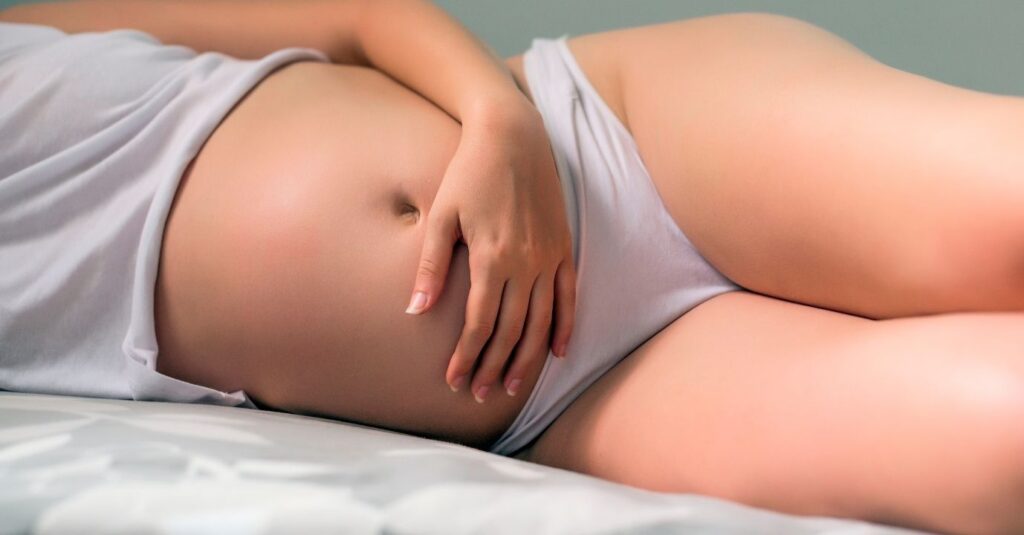
For many women, pregnancy brings a unique blend of excitement and physical changes, some expected, others surprisingly challenging. Among these, pelvic girdle pain (PGP) stands out as a common, yet often under-recognized or dismissed, source of significant discomfort. Affecting up to 1 in 5 pregnant individuals, PGP can manifest as pain in the lower back, hips, groin, or pubic bone, making everyday activities like walking, climbing stairs, or even turning over in bed incredibly difficult. This pain is distinct from general pregnancy aches and can persist long after childbirth, leading to frustration and reduced quality of life. Despite its prevalence, PGP is frequently misunderstood, often dismissed as “just a part of pregnancy,” leaving many women to suffer in silence.
But here’s the crucial news: PGP is treatable and manageable. Expert insights from physical therapists, obstetricians, and pain specialists are transforming our understanding and approach to this condition. This comprehensive guide will illuminate the complex mechanisms behind pelvic girdle pain, separating common misconceptions from scientific facts. We’ll delve into its causes, characteristic symptoms, and, most importantly, outline a range of effective, evidence-based solutions for diagnosis, management during pregnancy and postpartum, and long-term relief. Our goal is to empower women with reliable, up-to-date knowledge, ensuring you can understand your body’s signals, advocate for proper care, and reclaim your comfort and mobility.
Understanding Pelvic Girdle Pain (PGP): More Than Just a Pregnancy Ache
Pelvic girdle pain (PGP) is a common musculoskeletal condition specifically related to pregnancy, the postpartum period, or sometimes, broader pelvic instability. It’s often confused with general lower back pain or hip pain, but PGP has distinct characteristics and underlying causes.
What is the Pelvic Girdle?
The pelvic girdle is a ring of bones located at the base of your spine, connecting your spine to your legs. It consists of:
- The sacrum (a triangular bone at the base of the spine).
- The coccyx (tailbone).
- Two hip bones, each made up of the ilium, ischium, and pubis, which meet at the front to form the pubic symphysis and at the back to form the sacroiliac joints (SIJs).
These joints are designed for stability and transmit forces between your upper body and lower limbs. During pregnancy, however, they undergo significant changes.
Defining Pelvic Girdle Pain (PGP):
PGP is characterized by pain in the joints of the pelvic girdle:
- Pubic Symphysis Dysfunction (PSD) / Symphysis Pubis Dysfunction (SPD): Pain specifically at the front of the pelvis, over the pubic bone.
- Sacroiliac Joint Dysfunction (SIJD): Pain in the lower back and buttocks, typically on one or both sides, extending from the dimples on your lower back.
- Combined PGP: Pain affecting both the front and back of the pelvis.
The pain can radiate to the perineum (area between the vagina and anus), inner thighs, groin, or even down the leg. It’s often aggravated by weight-bearing activities, asymmetrical movements, or changes in position.
PGP vs. General Back Pain:
While PGP often presents as lower back pain, it differs in its source. General back pain may stem from muscle strain or spinal issues. PGP originates specifically from the instability or dysfunction of the pelvic joints themselves.
Why PGP Strikes: The Causes Revealed
PGP is a complex condition with multiple contributing factors, most of which are unique to pregnancy.
1. Hormonal Changes: Relaxin and Beyond
- The Science: During pregnancy, your body produces hormones like relaxin, which softens ligaments throughout the body, particularly those in the pelvic joints (pubic symphysis and sacroiliac joints). This softening allows the pelvis to expand and become more flexible, which is essential for childbirth.
- How it Contributes to PGP: While beneficial for labor, this increased laxity can lead to instability in the pelvic joints. If the surrounding muscles aren’t strong enough to compensate for this joint looseness, or if there’s asymmetrical movement, the joints can become misaligned or irritated, leading to pain.
- Expert Insight: Relaxin levels are highest in the first trimester, meaning PGP can start early, not just in the third trimester as commonly thought.
2. Biomechanical Changes: Weight, Posture, and Gait
- Growing Uterus and Baby: As the uterus and baby grow, the center of gravity shifts forward, increasing load on the lower back and pelvic joints. This added weight puts significant stress on the pelvic girdle.
- Altered Posture and Gait: To compensate for the shifting weight, pregnant women often adopt different postures (e.g., increased lumbar lordosis or “swayback”) and walking patterns (e.g., waddling gait). These changes can place uneven stress on the pelvic joints, leading to dysfunction and pain.
- Muscle Imbalances: The abdominal muscles stretch and weaken, reducing their ability to stabilize the pelvis. Other muscles (like gluteals and hip rotators) may also become weak or imbalanced, further contributing to pelvic instability.
3. Pre-existing Conditions or History: The Hidden Vulnerabilities
Some women are more predisposed to PGP due to their history or specific bodily characteristics.
- Previous PGP in Pregnancy: A strong predictor. If you had PGP in a previous pregnancy, you’re highly likely to experience it again, often more severely.
- History of Pelvic Trauma: Prior injuries to the pelvis, lower back, or hips (e.g., falls, car accidents).
- Hypermobility: General joint laxity in the body can predispose individuals to PGP.
- Back Pain History: Pre-existing lower back pain, especially involving the sacroiliac joints.
- High BMI Before Pregnancy: Can increase the load on pelvic joints.
- Occupational Demands: Jobs requiring heavy lifting, prolonged standing, or repetitive movements.
4. Lifestyle and Activity Factors: Everyday Aggravators
Certain daily activities can significantly aggravate PGP.
- Asymmetrical Loading: Activities that involve uneven weight distribution, such as standing on one leg (e.g., getting dressed), climbing stairs one foot at a time, or twisting movements, can exacerbate pain at the pubic symphysis or sacroiliac joints.
- Prolonged Static Positions: Long periods of sitting or standing without changing position can also trigger or worsen pain.
- Repetitive Motions: Certain repetitive movements, especially those involving hip abduction or rotation, can strain pelvic joints.
- Lack of Core Stability: Weak deep abdominal muscles and pelvic floor muscles contribute to poor pelvic stability.
Recognizing the Signs: What PGP Feels Like
PGP is not always just “back pain.” It has specific characteristics that help experts diagnose it. The pain can be varied in location and intensity but typically revolves around the pelvic ring.
Key Symptoms of PGP:
- Pain in the Pubic Area: Often felt directly over the pubic bone at the front of the pelvis. This pain can be sharp, shooting, or a dull ache. It might feel like the bones are grinding or clicking.
- Pain in the Sacroiliac Joints (Lower Back/Buttocks): Typically felt on one or both sides of the lower back, in the dimple area, extending into the buttocks. It can radiate down the back of the thighs.
- Pain in the Perineum or Inner Thighs: The pain can sometimes refer to these areas, adding to the discomfort.
- Clicking or Grinding Sensation: You might hear or feel clicking, grinding, or popping sounds/sensations in the pubic joint or hips, especially when moving.
- Aggravating Activities: Pain typically worsens with activities that stress the pelvic joints, including:
- Walking (especially long distances or uneven surfaces)
- Climbing stairs
- Standing on one leg (e.g., putting on pants, getting out of a car)
- Turning over in bed
- Getting in and out of a car
- Spreading the legs (e.g., during sexual intercourse, getting on/off a bed)
- Lifting heavy objects
- Relieving Positions: Often, rest, sitting (carefully), or lying down in a symmetrical position (e.g., with a pillow between the knees) can temporarily alleviate the pain.
Expert Insight: PGP pain is often symmetrical, meaning it hurts on both sides of the pelvis, but it can also be unilateral (one-sided) or shift between sides. Its intensity can range from mild annoyance to severe, debilitating pain.
Expert Solutions: Diagnosis and Management Strategies
If you suspect you have PGP, it’s crucial to seek professional help. Early diagnosis and intervention can significantly improve outcomes and prevent long-term pain.
1. Accurate Diagnosis: Getting to the Root of Your Pain
- Consult Your Healthcare Provider: Talk to your obstetrician, general practitioner, or a physical therapist specializing in women’s health. They will take a detailed medical history and ask about your pain patterns.
- Physical Examination: This is the primary diagnostic tool. Your healthcare provider will assess your posture, gait, range of motion, muscle strength, and perform specific tests to pinpoint the affected pelvic joints (e.g., Trendelenburg test, active straight leg raise, palpation of pubic symphysis).
- Imaging (Rarely Needed in Pregnancy): X-rays or MRI scans are usually not necessary during pregnancy due to radiation concerns, but may be considered postpartum if pain persists and other conditions need to be ruled out. Diagnosis is primarily clinical.
2. Comprehensive Management Strategies: A Multi-faceted Approach
Effective PGP management often involves a combination of strategies tailored to your individual needs and the severity of your pain.
a. Physical Therapy: The Gold Standard
- Specialized Pelvic Physical Therapy: This is considered the cornerstone of PGP treatment. A physical therapist specializing in women’s health can:
- Assess: Identify muscle imbalances, joint dysfunction, and movement patterns contributing to your pain.
- Manual Therapy: Use hands-on techniques to gently realign pelvic joints, release tight muscles, and improve joint mobility.
- Strengthening Exercises: Prescribe specific exercises to strengthen core muscles (deep abdominals, pelvic floor, gluteals, hip rotators) that stabilize the pelvis.
- Stretching and Flexibility: Teach gentle stretches to alleviate muscle tension.
- Postural Correction: Guide you on optimal sitting, standing, and walking postures.
- Activity Modification: Advise on safe ways to perform daily tasks (e.g., pivoting instead of twisting, keeping knees together when getting out of bed/car).
- Pain Relief Techniques: Recommend heat/cold therapy, massage, or TENS (Transcutaneous Electrical Nerve Stimulation) units (used with caution during pregnancy and only under medical supervision).
b. Support Devices: Providing Stability
- Pelvic Support Belts/Bands: These adjustable belts wrap around your pelvis, providing external compression and support to the sacroiliac joints. They can help stabilize the pelvis during weight-bearing activities and reduce pain. Your physical therapist can help you choose the right type and show you how to wear it correctly.
- Maternity Belts: While broader maternity belts support the growing belly, specific pelvic belts are designed to target the pelvic girdle directly.
c. Lifestyle Modifications: Smart Habits for Relief
- Avoid Aggravating Activities: Minimize single-leg standing, squatting, crossing legs, sitting on soft deep sofas, or walking long distances if they worsen pain.
- Maintain Symmetrical Movements: When getting in/out of a car or bed, keep your knees together. Avoid twisting your torso.
- Use Pillows: Place a pillow between your knees when sleeping on your side to keep your hips aligned. A firm pillow under your abdomen may also help.
- Rest Strategically: Take frequent short breaks from standing or walking.
- Footwear: Wear supportive, low-heeled shoes. Avoid high heels.
- Sex Positions: Experiment with positions that don’t require wide leg-spreading or unilateral weight-bearing. Side-lying or on-all-fours positions can be more comfortable.
- Weight Management: While not a primary cause, managing excessive weight gain during pregnancy can help reduce load on the pelvis.
d. Pain Management (Under Medical Supervision):
- Over-the-Counter Pain Relievers: Acetaminophen (Tylenol®) is generally considered safe during pregnancy for pain relief, always under the guidance of your doctor. NSAIDs (like ibuprofen) are typically avoided, especially in the third trimester.
- Acupuncture: Some women find relief from acupuncture, but ensure the practitioner is experienced with pregnant individuals.
- Injections (Rarely in Pregnancy): Corticosteroid injections into the affected joints are typically reserved for severe, persistent pain postpartum and are generally avoided during pregnancy.
PGP Postpartum: Continued Care for Lasting Recovery
For many women, PGP resolves spontaneously within a few weeks or months after childbirth. However, it can persist in some cases, highlighting the importance of continued postpartum care.
Why PGP Can Linger Postpartum:
- Lingering Hormones: Relaxin levels can remain elevated for some time after birth, keeping ligaments lax.
- Demands of Motherhood: Lifting and carrying the baby, breastfeeding positions, and lack of sleep can put continued strain on the healing pelvic joints.
- Muscle Weakness: Abdominal and pelvic floor muscles may still be weakened from pregnancy and childbirth.
- Delivery Mode: While PGP is not exclusively linked to vaginal birth, certain delivery experiences (e.g., prolonged labor, instrumental delivery) can sometimes exacerbate symptoms.
Postpartum Management Strategies:
- Continue Physical Therapy: This is crucial. A postpartum physical therapist can assess your recovery, help you strengthen weakened muscles, address any lingering joint dysfunction, and guide you on safe exercises for core and pelvic floor recovery.
- Pelvic Support Belts: Can still be used if pain persists.
- Ergonomics for Baby Care: Pay attention to your posture while breastfeeding, lifting the baby, or changing diapers. Use pillows for support.
- Gradual Return to Activity: Avoid jumping back into high-impact exercise too soon. Gradually increase activity levels as guided by your physical therapist.
- Pain Management: As needed, with doctor’s approval (e.g., acetaminophen).
Expert Insight: If PGP persists for more than 3 months postpartum, it’s considered chronic. Continued management with a physical therapist and close communication with your doctor are essential for resolution.
Empowering Women Through Knowledge and Support
Pelvic girdle pain is a common, often debilitating, but highly manageable condition affecting many pregnant and postpartum women. It is not something you “just have to live with.” By understanding its complex causes—from hormonal shifts and biomechanical changes to underlying vulnerabilities and daily habits—women can take proactive steps toward relief.
Accurate diagnosis by a healthcare professional, followed by a multi-faceted management plan centered around specialized physical therapy, supportive devices, and smart lifestyle modifications, offers the most effective path to comfort and improved mobility. Don’t let embarrassment or misinformation prevent you from seeking the care you deserve. Empower yourself with knowledge, openly discuss your pain with your healthcare provider, and reclaim your comfort and confidence throughout your pregnancy journey and beyond.
Medical Disclaimer
The information provided in this article is for general informational purposes only and does not constitute professional medical advice. If you have any concerns about your health or require medical advice, always consult a qualified healthcare professional. Do not make personal health decisions based on this content.
Resources:
- American College of Obstetricians and Gynecologists (ACOG). (2023). Pelvic Girdle Pain. Patient Education FAQ.
- National Institute of Child Health and Human Development (NICHD). (Updated as of 2024). Pelvic Pain During Pregnancy.
- Royal College of Obstetricians and Gynaecologists (RCOG). (2015). Pelvic Girdle Pain and Pregnancy. Green-top Guideline No. 42.
- Vleeming, A., et al. (2008). European guidelines for the diagnosis and treatment of pelvic girdle pain. European Spine Journal, 17(6), 794-819.
- Clinton, S. C., et al. (2016). Physical Therapy Management of Pelvic Girdle Pain in Pregnancy: A Scoping Review. Journal of Women’s Health Physical Therapy, 40(1), 22-31.
- Davies, G. A., et al. (2010). Exercise in pregnancy and the postpartum period. Journal of Obstetrics and Gynaecology Canada, 32(7), S67-S77.
- Ostgaard, H. C., et al. (1991). Traumatic, infectious and neoplastic lesions of the sacroiliac joint in patients with back pain: differentiation with clinical, laboratory, and radiologic findings. Spine, 16(8), 940-944. (While older, principles on assessment remain relevant).
- PregnancyPhysio.ie. (Current information). What is Pelvic Girdle Pain (PGP)? [Online resource, accessible via specialized physiotherapy websites]
- ACOG. (2020). Exercise During Pregnancy. Patient Education FAQ119.
- Herman & Wallace Pelvic Rehabilitation Institute. (Current information). Find a Practitioner. [Online resource for finding pelvic floor physical therapists]